
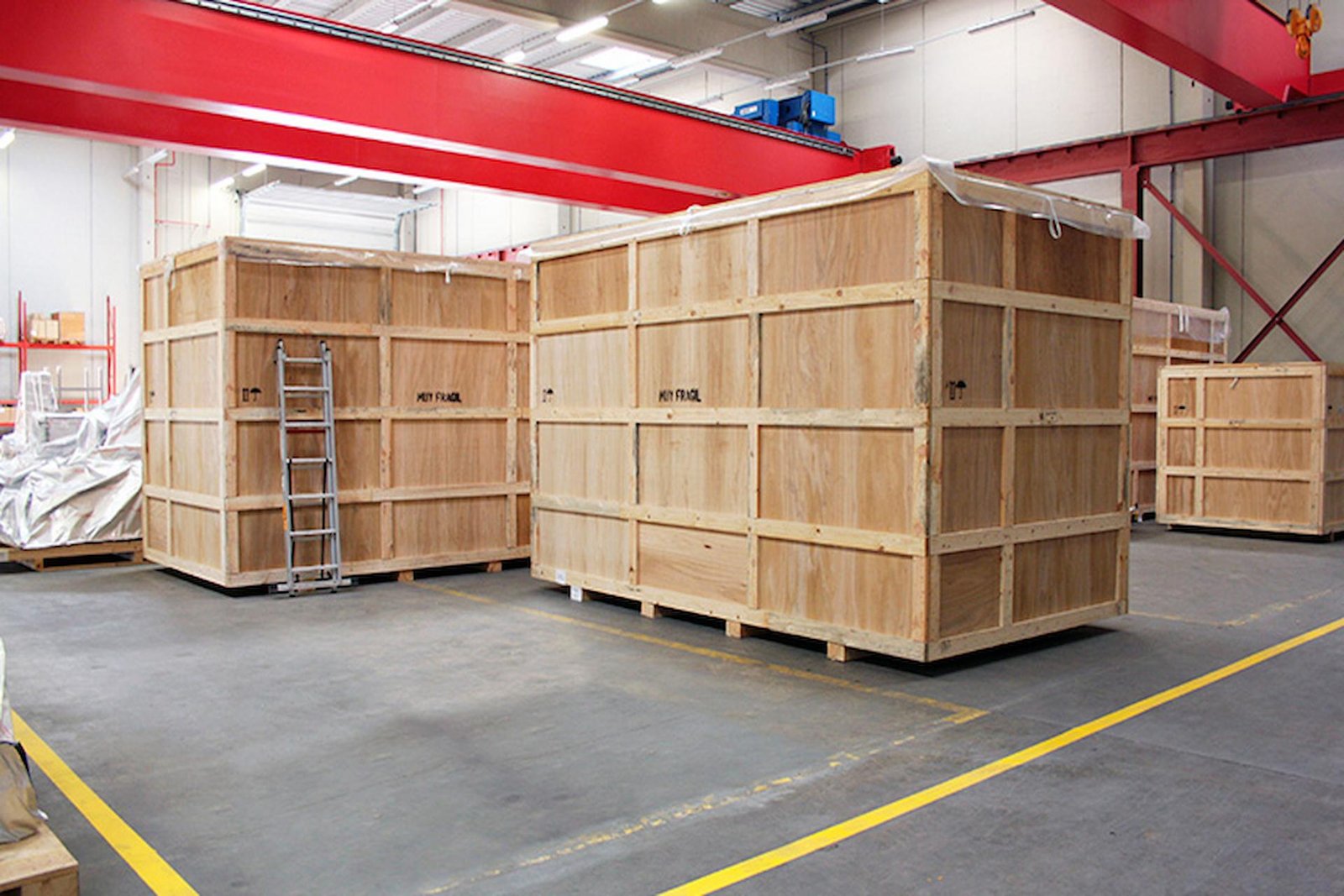
High-value goods tend to reveal weak points in a supply chain. A crate that appears suitable for a short UK delivery can fail during a long sea journey. A “well-packed” item can still arrive with corrosion, crushed corners, or internal movement that only shows up when the customer powers it on.
Export packing is not just about putting something in a box. It is the careful mix of case design, protective materials, safe handling, proper loading, and the correct paperwork—all aligned with the route and destination. That is the difference between goods arriving as planned and goods arriving as a problem.
This guide breaks down the essentials in plain English, using the same practical steps specialist packing teams follow every day, Tuplin Group, ensure that the packing is tailored to the item, the journey, and the destination rather than a one-size process.
Why export packing matters more for high-value goods
When a shipment is expensive, sensitive, or complex to replace, the “cost of damage” is rarely just the repair bill. It can also include:
- Delayed installations or production stoppages
- Missed contract deadlines and penalties
- Emergency re-manufacture and re-shipping
- Insurance claims and disputes over responsibility
- Reputational damage with a key client
Export routes add risks that local shipping often avoids—long transit times, multiple handling points, temperature swings, humidity, and vibration. Export packing is explicitly designed to manage those conditions.
Start with a proper packing assessment (do not skip this)
Before any materials are cut or any crate is built, a competent export pack starts with a quick but thorough review of:
- Dimensions, weight, and lifting points
- Fragility (including hidden fragility like screens, sensors, valves, and connectors)
- Internal movement risk (parts that can shift inside the product)
- Destination and route (air, sea, road, mixed legs)
- Storage time (weeks in a port or warehouse can change what protection you need.
- Compliance requirements (timber rules, labelling, dangerous goods, customer specs)
For complex jobs, risk assessments and method statements may also be required—especially if packing occurs on-site.
Choose the right outer protection: cases, crates, and pallets
Custom cases are often the safest option
For high-value goods, a custom-built case is usually the best baseline because it is designed around the product’s weak points and the type of journey it will face. Specialist packers commonly design and build cases in-house to meet shipment requirements, including compliance with international freight regulations.
ISPM15 timber is not optional for many destinations
If you are shipping internationally with wooden packaging, you will often need ISPM15-compliant treated timber (heat-treated, marked, and documented). If your timber packaging is non-compliant, shipments may be delayed, rejected, or destroyed at the border.
Use the proper internal protection (this is where damage is prevented)
A strong box is only half the job. Many costly failures occur within the packaging due to vibration, shock, moisture, or corrosion.
A robust export pack commonly uses protective options such as:
- Vapour barriers to control moisture exposure
- Corrosion inhibitors for metal components and long sea routes
- Shock-absorbing foams to reduce impact and vibration transfer
- Heat-sealed shrink wrap for sealing and stability
The key is choosing a combination that matches the risk. For example, corrosion protection matters far more for sea freight or humid climates than for a short air shipment.
Handling and lifting: protect the goods before they even enter the case
High-value items are often damaged during handling, not transit. Poor lifting points, rushed loading, or untrained operators can cause dents, twists, cracked housings, or hidden internal fractures.
Specialist export packing teams often support this with:
- Forklifts, cranes, and lifting equipment
- Staff qualified to use or oversee equipment on and off site
- Packing, loading, and unloading of large or awkward products (Tuplin)
If Tuplin Group is involved at the planning stage, this handling step is usually treated as part of the packing method, not as a separate “warehouse problem”—which is precisely how damage is reduced in practice.
On-site vs off-site packing: which is better?
There is no universal answer—only what fits the product, timeline, and site constraints.
On-site packing can be best when:
- The goods are too large, heavy, or sensitive to move before packing
- You want to reduce internal transport steps
- The item needs to be packed immediately after testing or calibration
- There are strict security or access controls
Off-site packing can be best when:
- The product needs specialist equipment or a controlled space
- Your site has limited lifting equipment or floor space
- You want the packer to manage more of the end-to-end process
Some providers offer both options, including packing at your depot, at a client site, or at one of several UK facilities.
Container loading is part of the packing job (treat it that way)
Even perfectly packed goods can arrive damaged if the container is poorly loaded. Movement inside a container is a common cause of crushed cases, shifting loads, and impact damage.
A competent export packing plan should cover:
- How the case will be secured to avoid movement
- Weight distribution and stacking rules
- Bracing, blocking, and lashing
- Special load types (flat rack, open top)
- Whether the route includes air freight loading requirements
Do not underestimate paperwork and marking
Paperwork errors can delay a shipment as effectively as physical damage.
Good export packing support typically includes:
- Packing lists and shipment documentation
- ISPM15 certification paperwork was required
- Correct labelling, handling marks, and (when relevant) dangerous goods documents
If you ship regulated or hazardous items, requirements become stricter. Specialist teams may support ADR (road), IATA (air) and IMDG (sea) shipments, including correct labelling and Dangerous Goods Notes (DGN).
A real-world example: why specification and reporting matter
In one documented project, ABB required high-value control equipment to be packed for shipment to Australia, with strict packing standards and reporting requirements. The solution involved agreeing on an exact packing specification, keeping suitable cases and materials available, and setting up monitoring/reporting for each shipment stage—helping provide confidence across a long sea-freight route.
The takeaway is simple: export packing is not only physical protection. For high-value goods, it is also about visibility, discipline, and proof that the job was done properly.
Practical checklist: export packing essentials for high-value shipments
Use this as a quick pre-shipment sense check:
- Confirm route, destination, and transit duration (air/sea/road mix)
- Verify whether ISPM15 timber packaging is required
- Identify moisture/corrosion risk and choose protection accordingly
- Prevent internal movement (supports, bracing, foam, fixings)
- Confirm lifting points and handling plan (especially for heavy items)
- Decide on-site vs off-site packing based on risk and practicality
- Plan container loading and restraint method
- Final inspection and documentation pack (including any required certificates)
Closing note
Export packing for high-value goods is about predicting how the journey will affect your shipment—and designing protection that holds up when things are not gentle. That means a proper assessment, the right case, the right internal materials, careful handling, correct loading, and paperwork that withstands customs checks.
If your team ships valuable equipment, sensitive components, fine art, or specialist machinery, it is worth treating export packing as part of your quality process, not a last-minute shipping task. A specialist partner such as Tuplin Group typically supports this end-to-end approach—from case design and packing to safer loading and documentation—so the goods arrive as intended, not as a claim.