
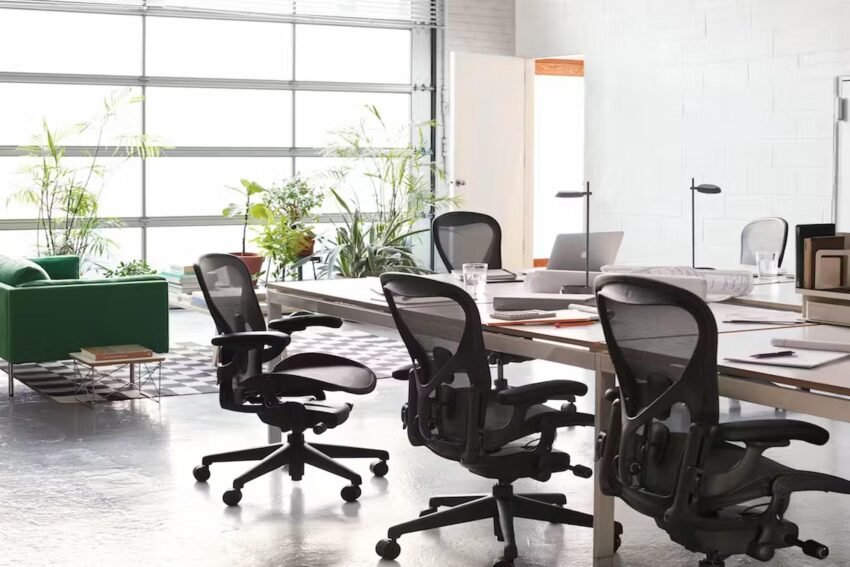
Understanding the Role of Ergonomics in Modern Workspaces
Ergonomics is the science of designing work environments that support the human body. It aims to reduce strain and improve daily comfort. This matters more than ever as many people spend long hours sitting at desks. Poor seating can lead to back pain, fatigue, and reduced productivity. This is why ergonomic office chairs are now widely used in workplaces. They are designed to suit natural body posture. They reduce pressure on joints. They also support neutral spine alignment. These chairs allow users to make small adjustments that improve comfort. When workers feel physically supported, they stay focused for longer. They also experience fewer aches. Understanding these scientific principles helps people choose better seating. It also reminds employers why healthy workplace design is essential. Ergonomics is not simply about comfort. It is about matching furniture to the user’s body so work can be done safely and efficiently.
How Body Posture Influences Overall Health
The human body is not designed to stay in one position for long periods. Sitting for hours can make muscles stiff. It can also add pressure to the spine. This leads to discomfort and long-term problems. Poor posture can reduce lung capacity. It can also affect blood flow. The body then becomes tired more quickly. Good seating supports the natural curve of the spine. It keeps shoulders relaxed. It also ensures that weight is evenly distributed. This reduces pressure on the lower back. It protects the neck too. Ergonomic office chairs are built around these principles. They allow the user to change posture easily. Small movements improve circulation. Adjustable features also help maintain a healthy seating position. When posture improves, the body works with less effort. This leads to better concentration. It also helps prevent common workplace injuries. Understanding posture science gives people more control over their well-being.
Key Design Features That Improve Workplace Comfort
Several features determine how well a chair supports the body. Seat height is one of them. The feet should rest flat on the floor. This improves stability. It also keeps pressure off the knees. Adjustable armrests help relax the shoulders. They prevent wrist strain too. Lumbar support is essential. It supports the lower back’s natural curve. Without this, the spine collapses forward. This causes pain. A breathable backrest helps control temperature. It prevents overheating during long tasks. A tilt mechanism is another important feature. It lets users lean back slightly. This takes pressure away from the spine. Ergonomic office chairs often include these elements to improve comfort. They allow people to personalise the chair to their body shape. This reduces strain. It also encourages better posture. These scientific design details show that small adjustments make a big difference to daily comfort.
Movement and Micro-Adjustments: Why They Matter
Staying still for too long is not healthy. The body needs movement. Even small movements can help keep muscles active. They also improve blood flow. Chairs that support micro-adjustments encourage the body to stay engaged. This prevents stiffness. It also reduces discomfort. Tilt functions allow the spine to stretch gently. They also help shift weight away from pressure points. Seat depth adjustments let users sit fully back while still supporting their legs. This prevents circulation issues. Ergonomic office chairs are built to promote these natural movements. Unlike rigid chairs, they respond to the body’s needs. This improves comfort through the day. The science shows that movement prevents fatigue. It keeps the mind alert too. Making small adjustments helps the body maintain energy. It also supports long-term health. This is why movement-friendly design is a key part of ergonomic seating.
Workplace Comfort and Its Impact on Productivity
Comfort affects more than physical health. It also influences how well people work. A supportive chair helps workers stay focused. It reduces distractions caused by pain or discomfort. Good seating also improves mood. A person who feels comfortable is more likely to stay engaged. They can work for longer without strain. Ergonomic office chairs support this by reducing physical pressure. They help maintain a healthy posture. They also encourage relaxation of muscles. When discomfort decreases, productivity increases. It becomes easier to concentrate on tasks. People make fewer errors too. Studies show that comfortable workspaces reduce stress. They improve job satisfaction. This helps both employees and employers. Comfort is not a luxury. It is a practical requirement for modern work environments. Investing in comfort supports better performance. It also promotes long-term well-being.