
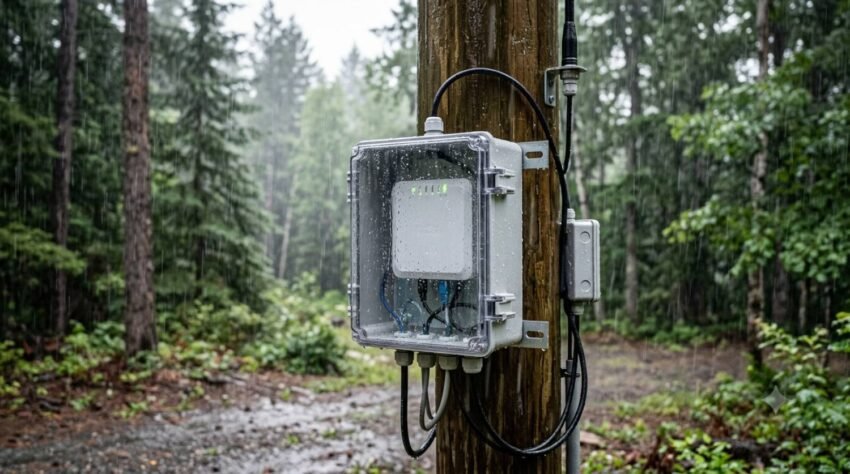
Reliable connectivity is no longer confined to office buildings or home interiors. Modern operational demands require strong, dependable internet access across outdoor environments, including agricultural sites, transport hubs, construction sectors, and public parks. Deploying sensitive networking hardware outside exposes equipment to harsh weather conditions, heavy moisture, airborne dust, and extreme temperature swings. Without adequate physical protection, commercial routers experience frequent signal drops, physical degradation, and costly internal hardware failures that disrupt daily business operations.
Investing in a high-grade Outdoor router enclosure https://www.gttwireless.com provides a secure, sealed barrier that protects delicate electronic circuitry against environmental threats. These specialised housings preserve hardware integrity, support consistent signal transmission, and extend the operating life of your outdoor networking infrastructure. Choosing purpose-built protective solutions ensures your digital connections remain stable, even during severe weather events across demanding installation sites.
Key Environmental Risks to Outdoor Networks
Standard indoor networking equipment is designed exclusively for climate-controlled environments. Positioning standard devices outside without protection introduces several immediate operational risks that compromise long-term performance and data stability. Understanding these environmental hazards highlights why specialized physical defenses are necessary for remote installations.
Moisture Ingress and High Humidity
Rain, heavy fog, and ambient condensation create significant long-term risk for electrical components. Water ingress leads to short circuits, corrosion on sensitive circuit boards, and total equipment breakdown. Sealing your gear inside a rated housing prevents airborne moisture from contacting internal chips, maintaining system uptime across every season.
Extreme Temperature Fluctuations
Direct sunlight raises internal device temperatures rapidly, leading to thermal throttling or sudden system shutdowns. Sub-zero winters can cause freezing damage or prevent cold booting during power outages. Integrating a multi-band omnidirectional antenna https://www.gttwireless.com alongside proper thermal management keeps your external connections clear and reliable without exposing delicate internal electronics to severe thermal stress.
Essential Features of Weatherproof Housings
Selecting appropriate protection requires evaluating specific build features engineered to withstand demanding outdoor conditions. Modern enclosures incorporate clever mechanical engineering to maintain optimal operating environments for internal radios and power systems.
- Ingress Protection Ratings: High IP ratings like IP66 or IP67 shield internal electronics against heavy water jets, torrential rain, and fine dust particles.
- UV-Resistant Construction: Polycarbonate or die-cast aluminium materials prevent cracking, warping, and sun degradation over long-term exposure to direct sunlight.
- Pressure Equalisation Vents: Breathable, waterproof membranes equalise internal air pressure to prevent internal condensation caused by rapid temperature shifts.
- Secure Mounting Options: Flexible pole, wall, and mast fittings guarantee stable positioning during strong windstorms and heavy weather events.
- Power over Ethernet Compatibility: Integrated cable glands allow Power over Ethernet (PoE) delivery, simplifying wiring by combining data and electricity through one connection.
Optimising Wireless Performance Outdoors
Protection must not come at the expense of signal quality or network speed. Standard metal boxes can attenuate radio frequency signals, reducing overall coverage range and data throughput. Modern protective solutions use radio-transparent materials that allow cellular, Wi-Fi, and IoT signals to pass through uninhibited, ensuring seamless data transmission across vast operational areas.
Strategic positioning also plays a vital role in deployment success. Mounting hardware at elevated positions avoids ground-level obstacles, solid structures, and dense foliage that block radio waves. Deploying specialized outdoor routers inside weatherproof housings ensures optimal signal distribution while providing total defense against rain, snow, and extreme ambient heat.
Industry Applications for External Hardware
Weatherproof deployments serve critical functions across diverse commercial industries. Smart agriculture relies on external sensors and gateways to manage automated irrigation systems and crop monitoring equipment. Construction sites depend on temporary wireless links to connect site offices, security cameras, and project management software in real time.
Transportation hubs and renewable energy installations similarly require constant communication links. Solar farms and wind turbine arrays often sit in exposed, isolated locations where maintenance visits are expensive and time-consuming. Securing communication equipment inside durable housings ensures continuous data flow without constant physical intervention from on-site technicians.
Long-Term Financial and Operational Benefits
While protective hardware represents an initial capital investment, it yields significant long-term financial savings. Unprotected network setups suffer high failure rates, causing unexpected downtime, emergency repair visits, and repeated hardware replacement expenses that strain operating budgets.
Housing your networking equipment securely establishes a dependable foundation for commercial operations. Systems remain online through storms, heatwaves, and seasonal shifts, providing consistent connectivity for remote monitoring, security cameras, guest Wi-Fi, and real-time operational data collection across your entire facility.
Protecting Your Infrastructure
Deploying weatherproof router enclosures safeguards sensitive networking equipment against harsh environmental elements, ensuring continuous connectivity and preventing costly hardware failures. Investing in ingress-protected housings with reliable thermal management allows outdoor networks to operate seamlessly through heavy rain, high heat, and freezing winter temperatures. High-grade enclosures drastically reduce emergency maintenance expenses, extend hardware lifespan, and guarantee dependable communication across remote locations. Ultimately, protecting your networking gear with purpose-built external enclosures establishes a resilient digital infrastructure that keeps your commercial operations connected across all weather conditions.