
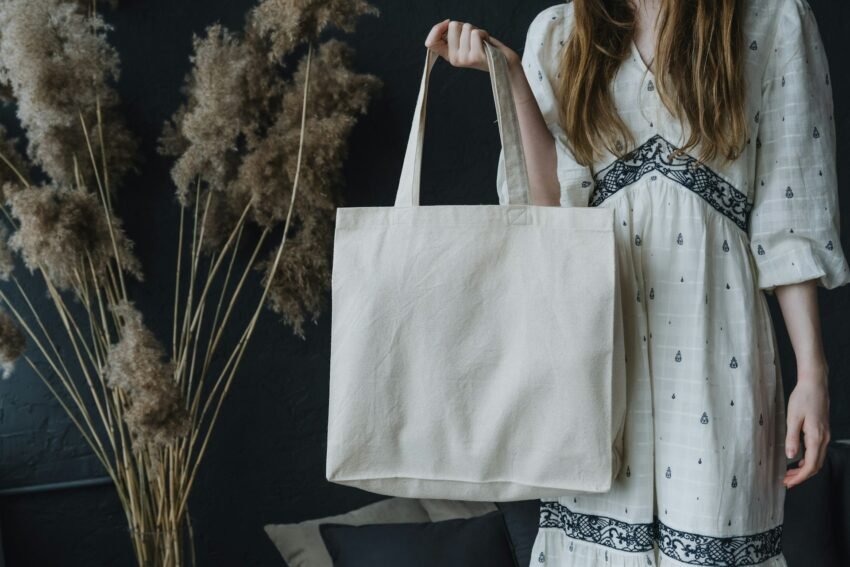
Promotional merchandise has long been part of business marketing, but not every giveaway delivers lasting value. Leaflets, disposable products and novelty items may attract attention initially, yet many are quickly forgotten or discarded. Businesses increasingly recognise that practical, reusable merchandise offers a more meaningful way to maintain brand visibility.
Items that customers can incorporate into their daily routines have greater potential to remain useful beyond a single event or purchase. Products such as printed tote bags, reusable drinkware and durable stationery combine everyday convenience with subtle brand promotion. When chosen carefully, these items can support customer relationships while reducing reliance on short-lived promotional materials.
Why Traditional Giveaways Often Fall Short
Traditional promotional giveaways usually focus on immediate distribution rather than long-term usefulness. Businesses frequently choose inexpensive products because they are easy to purchase in large quantities and distribute at exhibitions, conferences or promotional events.
However, low initial costs do not necessarily represent good marketing value. Items with limited practical use may be stored away, discarded or forgotten shortly after being received.
Another concern is the lack of meaningful engagement. A promotional product that serves no purpose beyond displaying a logo gives recipients little reason to keep it.
Businesses should consider how customers might actually use their merchandise before committing to large orders. A smaller quantity of useful products may provide better value than distributing numerous items with little lasting appeal.
How Reusable Merchandise Supports Brand Visibility
Reusable branded merchandise works by placing a company’s identity on products people may use repeatedly. Unlike disposable promotional materials, functional items can remain part of everyday activities.
A well-designed product may accompany its owner to work, during shopping or while travelling. Each use provides another opportunity for the branding to be noticed without requiring additional advertising expenditure.
However, visibility depends on several factors, including product quality, design, usefulness and whether recipients genuinely want to keep the item.
The most effective merchandise balances branding with practicality. Oversized logos, uncomfortable designs or poor-quality materials can discourage regular use, regardless of the promotional message.
Why Printed Tote Bags Make Practical Promotional Items
Among reusable promotional products, printed tote bags offer a useful combination of portability, flexibility and everyday functionality.
Cotton tote bags can serve several purposes, from carrying shopping and books to transporting personal belongings. Their relatively simple construction also provides a suitable surface for printed logos, artwork and brand messages.
Businesses can consider different fabric colours, bag sizes, handle styles and printing methods when selecting a suitable design. These decisions affect comfort, appearance and how well the finished product meets its intended purpose.
For branding, a simple design with readable text and balanced colours often works better than overcrowded artwork. The bag should remain attractive enough for recipients to use independently of the original promotion.
Durability also matters. Strong stitching, appropriate fabric weight and suitable handles can influence how often a bag is reused and how long it remains functional.
The Environmental Considerations Behind Reusable Products
Reusable merchandise can support waste reduction when it replaces disposable alternatives and remains in use for an extended period.
However, reusable products are not automatically environmentally preferable. Manufacturing materials, printing processes, transportation and eventual disposal all contribute to their environmental impact.
Cotton production, for instance, requires resources, including water and land. The environmental case for a cotton bag depends partly on how frequently it is reused and which alternative products it replaces.
Businesses should avoid making broad sustainability claims without supporting evidence. Terms such as environmentally friendly or sustainable can be misleading when they ignore production impacts.
A more responsible approach involves choosing durable materials, ordering realistic quantities and encouraging customers to keep using products rather than collecting unnecessary replacements.
Choosing Merchandise That Customers Will Actually Use
Successful merchandise selection begins with understanding the intended audience. Products should match recipients’ routines, interests and practical needs rather than simply reflect current promotional trends.
Before ordering reusable branded items, businesses should consider these factors:
- Practical value: Choose products that solve everyday problems or serve a recognisable purpose.
- Material quality: Examine construction, durability and suitability for repeated use.
- Branding: Keep logos, colours and promotional messages clear without overwhelming the design.
- Portability: Consider whether recipients can comfortably carry, store or transport the item.
- Budget: Compare total costs, including printing, delivery and potential storage requirements.
- Order quantities: Avoid purchasing more merchandise than the campaign realistically needs.
These considerations help businesses select merchandise that feels useful rather than disposable.
Understanding Cost and Long-Term Marketing Value
Reusable branded merchandise may involve a higher purchase price than basic promotional giveaways. However, evaluating individual item costs alone provides an incomplete picture.
A product that remains useful for months may offer repeated opportunities for brand exposure. Conversely, an inexpensive item that is immediately discarded provides little ongoing promotional value.
Businesses should examine the cost per item alongside expected usefulness, product quality and distribution methods.
Measuring effectiveness can be difficult because merchandise exposure does not always translate directly into enquiries or sales. Customer feedback, distribution records and campaign-specific responses can provide useful indicators.
Marketing teams should also review whether the merchandise reached the intended audience rather than judging success solely by the number of items distributed.
Avoiding Common Merchandise Design Mistakes
Even practical products can underperform when important design decisions are overlooked.
Excessive branding is a common issue. Customers may be reluctant to use merchandise that looks primarily like an advertisement. Subtle designs can make branded items more appealing without removing brand recognition.
Poor print placement, unsuitable colours and low-resolution artwork can also affect the finished appearance.
For printed tote bags, businesses should consider how artwork appears against the fabric colour and whether the design remains readable when the bag is carried.
Requesting artwork guidance or reviewing a production proof can help identify potential problems before a full order is printed. Professional printing advice is particularly useful when designs contain detailed graphics, multiple colours or specific brand requirements.
Final Thoughts
Reusable branded merchandise offers businesses a practical alternative to short-lived promotional giveaways. Products that combine everyday usefulness, appropriate design and reliable quality have greater potential to remain in circulation and maintain brand visibility.
Businesses should prioritise customer needs, realistic quantities and long-term usability when planning merchandise campaigns. Choosing fewer, better-quality products can be a more sensible approach than distributing giveaways simply to increase numbers.
Strengthen the opening with a sharper benefitAdd a practical merchandise selection process