
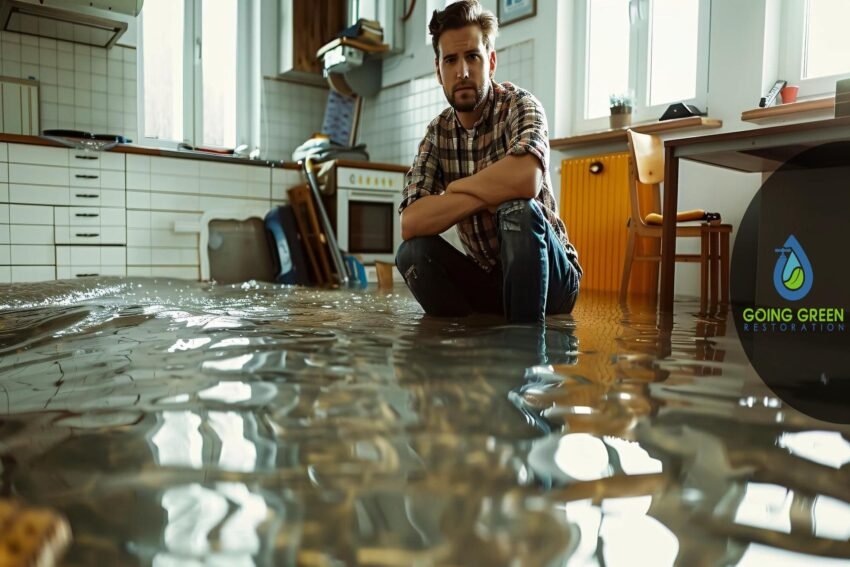
Water damage is one of the most expensive and frustrating problems homeowners face. What often starts as a small drainage issue outside the property can quickly turn into basement flooding, foundation cracks, mold growth, and costly structural repairs. Many people only notice the problem once water has already entered the home, but the warning signs usually appear much earlier.
Good drainage plays a major role in protecting both your property and your indoor comfort. From directing rainwater away from the foundation to managing groundwater beneath the home, the right drainage setup helps reduce moisture problems before they become serious. In areas that experience heavy rain or seasonal storms, many homeowners also rely on professional sump pump service in Memphis, TN to keep basements dry and prevent long-term water damage.
Understanding how drainage systems work and knowing what to maintain can help protect your property for years to come.
Why Poor Drainage Causes Serious Damage Over Time
Water naturally follows the path of least resistance. When a property does not drain properly, moisture begins collecting around the foundation, under crawl spaces, or near basement walls. Over time, this constant exposure weakens materials and increases the risk of structural issues.
One of the biggest problems is that drainage damage often develops slowly. Homeowners may ignore small warning signs until repairs become expensive and disruptive.
Common Signs of Drainage Problems
Several issues can indicate that your property is struggling with excess water:
- Pooling water around the home after rainfall
- Damp basement walls or floors
- Cracks in the foundation
- Musty smells indoors
- Mould or mildew growth
- Soggy patches in the garden
- Water stains near lower walls
Even minor signs should not be ignored. Moisture problems tend to worsen over time, especially during wet seasons.
The Most Effective Drainage Solutions for Residential Properties
Protecting a home from water damage starts with controlling where water flows. Proper drainage systems help move excess water away from the property safely and efficiently.
Keep Gutters and Downpipes Clear
Blocked gutters are one of the most common causes of drainage issues. When leaves, dirt, and debris clog the system, rainwater overflows and collects near the foundation.
Regular gutter cleaning helps:
- Prevent roof leaks
- Reduce soil erosion
- Protect exterior walls
- Direct water safely away from the home
Downpipes should also extend far enough away from the property to avoid water pooling near the foundation.
Improve Garden Grading
The ground surrounding the property should slope away from the home rather than toward it. Poor grading allows water to collect against walls and seep into lower levels.
Simple landscaping adjustments can significantly improve drainage performance and reduce standing water.
Install French Drains
French drains are highly effective for properties that struggle with groundwater accumulation. These systems use gravel-filled trenches and perforated pipes to redirect water away from problem areas.
They are especially useful for:
- Wet gardens
- Basement moisture problems
- Sloped properties
- Areas with heavy rainfall
Use Surface Drainage Systems
Surface drains help collect excess rainwater before it enters the home. They are commonly installed near driveways, patios, and low-lying outdoor areas where water tends to gather.
How Sump Pumps Help Prevent Basement Flooding
Sump pumps are one of the most effective tools for managing excess groundwater around the home. These systems collect water in a sump basin and pump it safely away before flooding occurs.
Homes with basements or crawl spaces often benefit the most from sump pump systems, especially in areas prone to storms or saturated soil conditions.
Many homeowners schedule professional sump pump service in Memphis, TN to ensure their systems continue operating efficiently during periods of heavy rainfall. Routine maintenance helps identify worn components, clogged discharge lines, or pump failures before major flooding happens.
Why Regular Sump Pump Maintenance Matters
Like any mechanical system, sump pumps require routine inspections to remain reliable. A neglected pump may fail when it is needed most.
Important maintenance tasks include:
- Testing the float switch
- Cleaning the sump pit
- Checking discharge pipes
- Inspecting backup battery systems
- Removing debris and sediment
Preventative servicing helps extend the life of the system while reducing the risk of unexpected water damage.
Seasonal Weather Changes That Increase Water Damage Risks
Weather conditions can place extra strain on drainage systems throughout the year. Seasonal changes often create sudden water management challenges for homeowners.
Heavy Rainfall and Storms
Strong rainfall can overwhelm weak drainage systems quickly. When water cannot drain properly, flooding risks increase around foundations, basements, and outdoor surfaces.
Freeze and Thaw Cycles
During colder months, frozen soil and ice can block natural drainage routes. As temperatures rise again, melting water may collect around the property faster than the ground can absorb it.
Humidity and Moisture Build-Up
Warm weather can increase indoor moisture levels, especially in basements or poorly ventilated spaces. Excess humidity encourages mould growth and can damage walls, insulation, and flooring materials.
How Drainage Problems Affect Indoor Comfort and HVAC Systems
Many homeowners do not realise that moisture issues can also affect heating and cooling performance. Excess humidity forces HVAC systems to work harder to maintain comfortable indoor conditions.
Damp environments can:
- Reduce air quality
- Increase mould growth near vents
- Damage insulation
- Create unpleasant odours
- Strain air conditioning systems
Moisture problems around ductwork or ventilation systems may also reduce energy efficiency over time.
Proper drainage helps maintain a healthier indoor environment while supporting better HVAC performance throughout the year.
Preventative Maintenance Tips Every Homeowner Should Follow
Regular maintenance is the best way to avoid costly water damage repairs. Small preventative steps often make a major difference over time.
Simple Drainage Maintenance Checklist
- Clean gutters at least twice yearly
- Inspect downpipes for blockages
- Check for standing water after storms
- Test sump pumps regularly
- Monitor basement humidity levels
- Repair foundation cracks quickly
- Trim landscaping that blocks drainage routes
Consistent inspections help identify problems early before they become expensive structural concerns.
When to Call a Professional
Some drainage issues require professional assessment and repair. Delaying service can allow hidden damage to spread beneath the property.
You should contact a specialist if you notice:
- Repeated basement flooding
- Persistent dampness
- Foundation movement or cracking
- Sump pump failure
- Water stains inside walls
- Severe garden drainage problems
Professionals can evaluate the entire drainage system and recommend long-term solutions tailored to the property.
Conclusion
Proper drainage is one of the most important parts of protecting a home from long-term water damage. Managing rainwater, groundwater, and excess moisture helps safeguard foundations, basements, indoor air quality, and even HVAC efficiency.
While many homeowners focus on visible repairs after damage appears, preventative maintenance is far more effective and affordable in the long run. Keeping gutters clear, improving drainage routes, and maintaining sump pump systems can significantly reduce the risk of flooding and structural problems. With the right drainage strategy in place, homeowners can protect both their property value and their peace of mind for years to come.