
Key Takeaways
- Confirm the jail location, listed charges, bond type, bond amount, and next court date before making decisions.
- Keep a written record of calls, names, booking details, and paperwork from the first hour onward.
- Bond addresses release from custody, not the underlying criminal case or its court requirements.
- Avoid discussing allegations on jail calls, social media, or with people who do not need to know case details.
- Contact a criminal defense attorney for advice about charges, rights, evidence, and court strategy.
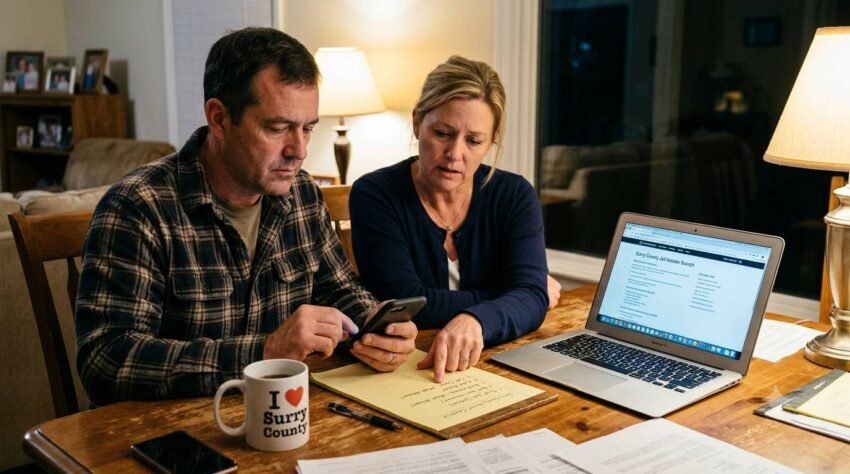
When a loved one is arrested in Surry County, the first few hours can feel confusing and urgent. A calm, organized response is especially useful when family members are trying to confirm where someone is being held, what the charges are, and whether release is possible. For families exploring felony bail bonds Surry County, NC, AJS Bail Bonding provides information about posting bail in Surry County, including felony bond situations, paperwork, and the release process. The North Carolina Bail Bonds Association member describes experienced certified agents, around-the-clock availability, and service for Surry County families who need help understanding bond arrangements during a stressful custody situation.
1. First Steps After Learning About an Arrest
Start by slowing the situation down. Information reported by friends, relatives, or social media may be incomplete, and a person may be moved after an arrest. Write down the time you learned about the arrest, the arresting agency, if known, and any location mentioned.
- Call the jail, sheriff’s office, or law enforcement agency for basic custody information.
- Ask for the arrested person’s full legal name, booking number, and listed location.
- Record the name of each person you speak with and the time of the call.
- Begin identifying an attorney if the allegations are serious, unclear, or involve a felony.
2. Confirming Jail, Charges, and Bond Details
Before anyone pays money or signs paperwork, verify the details that control the next step. A family description of an allegation may not match the formal charge shown in jail or court records.
- The person’s full name and date of birth.
- The detention facility and booking number.
- Each listed charge and whether it is identified as a felony or misdemeanor.
- The bond amount and whether it is written, unsecured, cash, secured, or surety.
- The next scheduled appearance and any stated release conditions.
- Restrictions involving contact, travel, weapons, alcohol, or residence.
Use official sources whenever possible. The jail, clerk of court, and defense attorney are better sources of case information than online rumors or secondhand messages.
3. Understanding the North Carolina Court Process
The broad sequence may include arrest, an initial appearance, release conditions, later hearings, plea discussions, trial, and sentencing if there is a conviction. The North Carolina criminal case process explains that bond may be set after arrest and later reviewed. At the same time, additional conditions may require the person to stay away from a victim or witness. Timing differs from case to case. The charge level, court calendar, prior record, and allegations involving domestic violence or other special circumstances can affect how quickly release conditions are decided. In certain qualifying domestic violence cases, a judge has authority over initial release conditions during the first 48 hours after arrest.
What Families Should Track
- Every court date, including dates that appear tentative.
- Any paperwork given at release or mailed afterward.
- Conditions that could lead to arrest or a bond review if violated.
- The attorney’s contact information and instructions.

4. Common Pretrial Release Options
Release terms are not interchangeable. The type of bond affects what must be paid or promised and who may take financial responsibility if the defendant misses court.
- Written promise to appear: A signed agreement to return to court without payment or a promise of money up front.
- Unsecured bond: A promise to owe the stated amount if the person does not appear as required.
- Cash bond: The full amount is posted according to court procedures.
- Secured bond: Money or other security is required before release.
- Surety bond: A licensed bail bondsman posts the bond under a separate agreement and fee arrangement.
Ask what could happen if a court date is missed, a condition is violated, or a new charge arises. Read every agreement carefully, particularly provisions about fees, collateral, co-signers, and financial responsibility.
5. What to Know About Felony Charges
Felony accusations often require faster organization because the potential consequences can be serious and the case may involve multiple hearings. Posting bond does not resolve the charge, remove future court obligations, or eliminate the need for legal advice.
- Do not contact an alleged victim unless contact is clearly permitted.
- Do not assume a case will be dismissed simply because someone wants charges dropped.
- Keep every bond document, court notice, and receipt.
- Ask an attorney about work, travel, testing, and communication restrictions.
6. Documents and Information to Gather
Prepare a single folder, paper or digital, before contacting a bond agency or lawyer. Include the arrested person’s identification details, the jail name and number, the exact bond information, court paperwork, employment and residence information, and a reliable calendar for appearances. A bond agency may request identification, payment information, collateral details, and a co-signer. Ask questions before signing.
7. Mistakes That Can Create More Problems
A family may focus entirely on getting a loved one home, then overlook a no-contact rule or a court date. That can turn an already difficult situation into a more complicated one.
- Relying on social media instead of official records.
- Discussing the alleged facts on recorded jail calls.
- Ignoring conditions after release.
- Waiting until the last minute to arrange transportation to court.
- Confusing bond paperwork guidance with legal representation.
8. When Local Bond Guidance May Help
Local bond guidance can be useful when a family needs help understanding what information is needed to begin an application or how to communicate with the detention facility. It does not replace a defense lawyer. An attorney should handle legal questions about defenses, evidence, plea decisions, and the consequences of specific charges.
9. Common Questions
Does posting bond end the criminal case?
No. Bond generally concerns release while the case is pending. Court hearings and release conditions still apply unless the court changes them.
What happens if someone misses court?
A missed appearance can lead to a failure-to-appear issue, an order for arrest, and possible bond consequences. The person should contact an attorney promptly instead of ignoring the missed date.
Where can families find practical first-day guidance?
The Orange County guide to the first 24 hours after an arrest offers a useful reminder for families anywhere in North Carolina: confirm custody details, preserve paperwork, and keep track of important calls and court information.
Final Thoughts
The first day after an arrest in Surry County can feel rushed, but a checklist creates order and helps keep important details from being overlooked. Confirm official information, protect private case details, follow every release condition, and seek qualified legal advice when needed. It can also help to keep copies of court documents, note upcoming dates, and communicate carefully with family members and others involved. Avoid discussing case details publicly or on social media while the matter is pending. A careful, organized response helps families avoid preventable mistakes and better understand their responsibilities while the criminal case moves forward.